
How to Create Wedding Memories That Don't Just Live in a Folder You Never Open
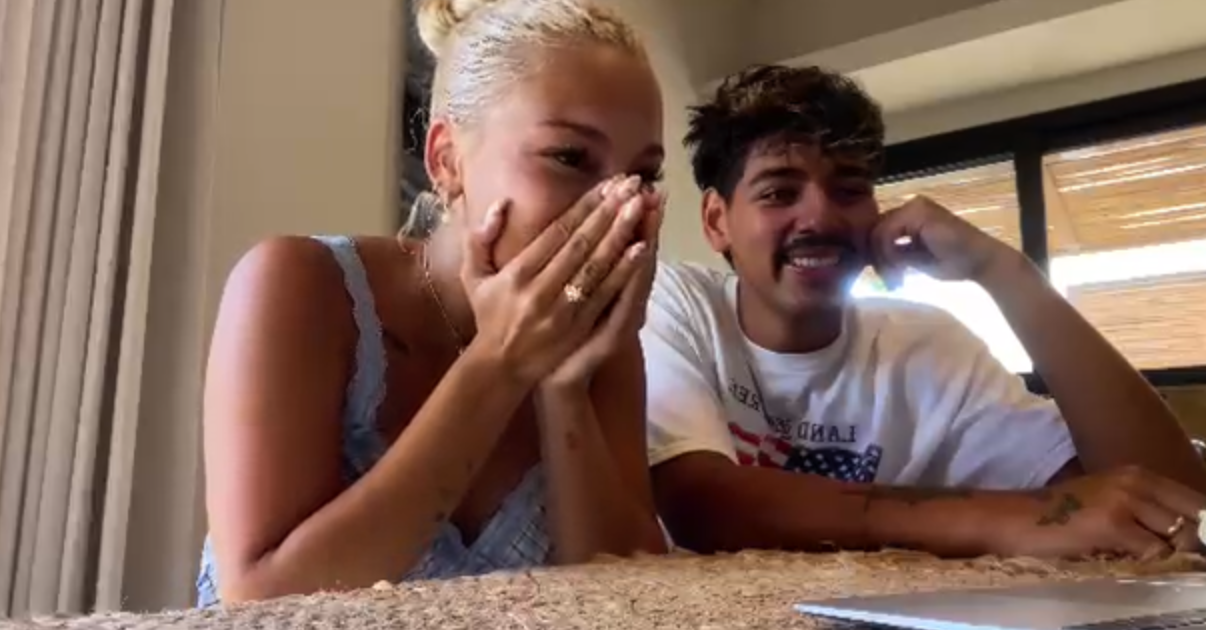
The first watch. This is what it's made for.
Here's a question worth sitting with: What actually happens to most wedding films after they're delivered? They sit on a hard drive. In an online gallery someone forgot the password to. On a USB in a drawer. Occasionally surfaced on an anniversary — maybe. But mostly just there. A record, not a memory.
We think about this a lot. Because the goal of a wedding film isn't to document a day. It's to give you something you'll actually reach for — something that puts you back in the room, that makes you feel the way you felt when it was happening, that your children and your grandchildren will want to watch.
That requires a fundamentally different approach. Here's what that looks like.
It Starts With Story — Not a Shot List
Most wedding films are assemblies. Ceremony highlights, first dance, speeches, confetti — chronological and complete. They capture what happened. What they rarely capture is why it mattered.
A story-driven wedding film asks different questions before the camera ever comes out: What is the emotional core of this couple's relationship? What do the people who love them most see in them that they might not see in each other? What will they want to feel when they watch this in 20 years?
"A great film doesn't capture your wedding day. It captures why your wedding day meant something."
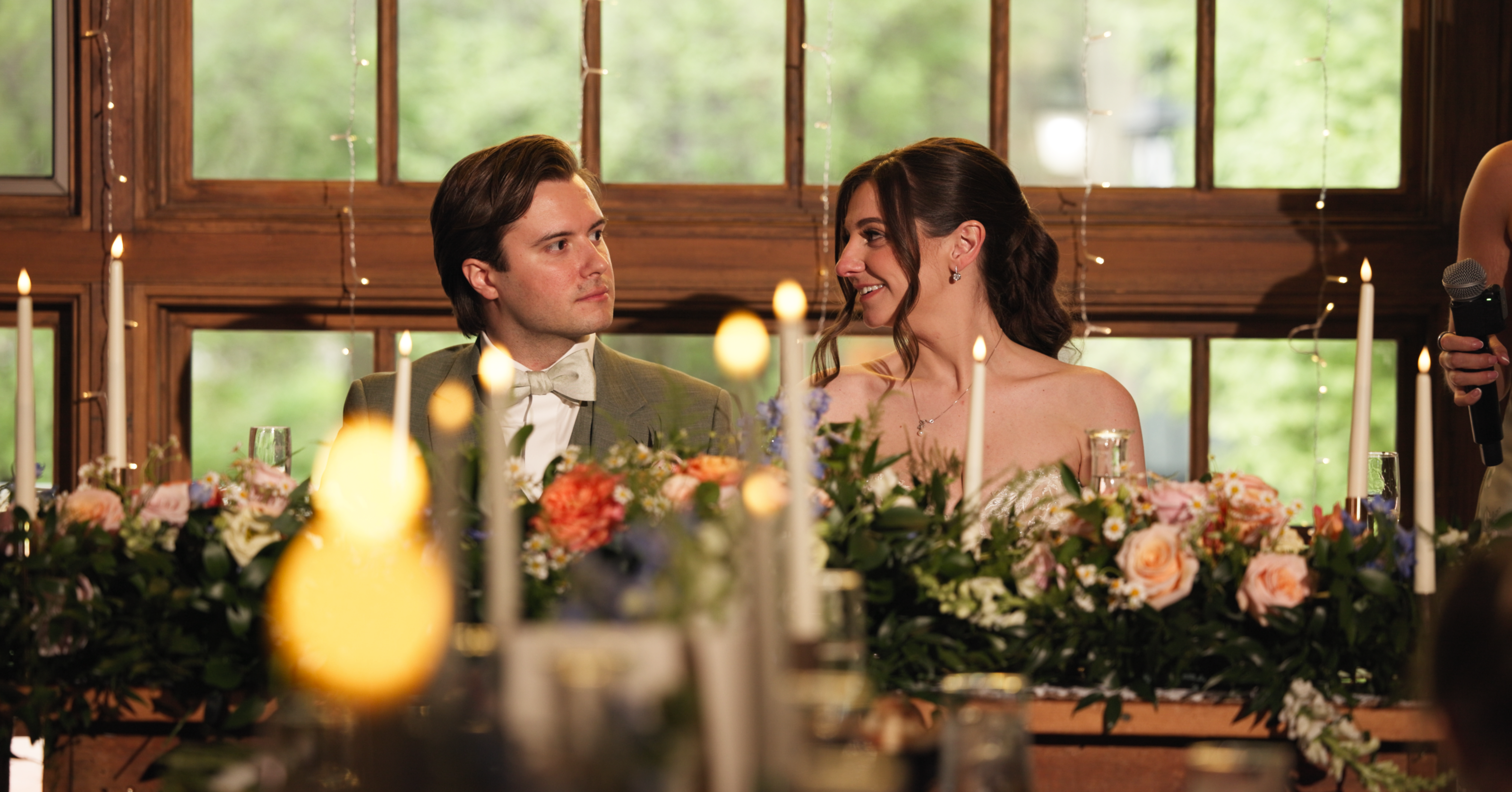
The quiet moments between moments — this is what a film holds.
The Interview Changes Everything
The most powerful element in any lasting wedding film is often the voices of the people who know the couple best — parents, best friends, the person who watched this love story unfold from the beginning.
These interviews, recorded in the days surrounding the wedding, give the film its emotional spine. The voice you hear under the first dance footage. The words that make you cry every single time. Not because someone scripted them — but because someone asked the right questions and a real human told the truth.
What to ask your filmmaker: "Do you do pre-wedding interviews with family or friends?" If the answer is no, or if they don't know what you mean — that's telling. The interview is what separates a film from footage.
The Edit Is Where the Film Actually Gets Made
A finished wedding film can take 30-50 hours to edit. Not because of technical complexity — because the editor is making narrative decisions. What's the opening moment? What creates tension before the ceremony? What earns the emotional release at the end?
A great wedding film isn't a highlight reel. It has a beginning, a middle, and an end. It has contrast and tenderness. It earns its emotional peaks because it also holds the quiet moments. It's cut to music that was chosen for this couple — not for the industry.
The Result: Something You Come Back To
Not because you feel obligated to — but because it genuinely moves you. Because it captures not just what your wedding looked like, but what it felt like to be in love with this person, surrounded by these people, on that day.
That's the difference between a wedding video and a wedding film.
Ready to create something worth coming back to?
Our entire approach is built around films that are meant to be watched — not archived. If you're deciding what kind of film your wedding deserves, we'd love to show you what we mean.
Book Your Consultation— Justice Evans, Founder & Lead Cinematographer
4Everlasting Moments
